

Is Esports Dying? How the Industry Lost Its Grassroots Identity
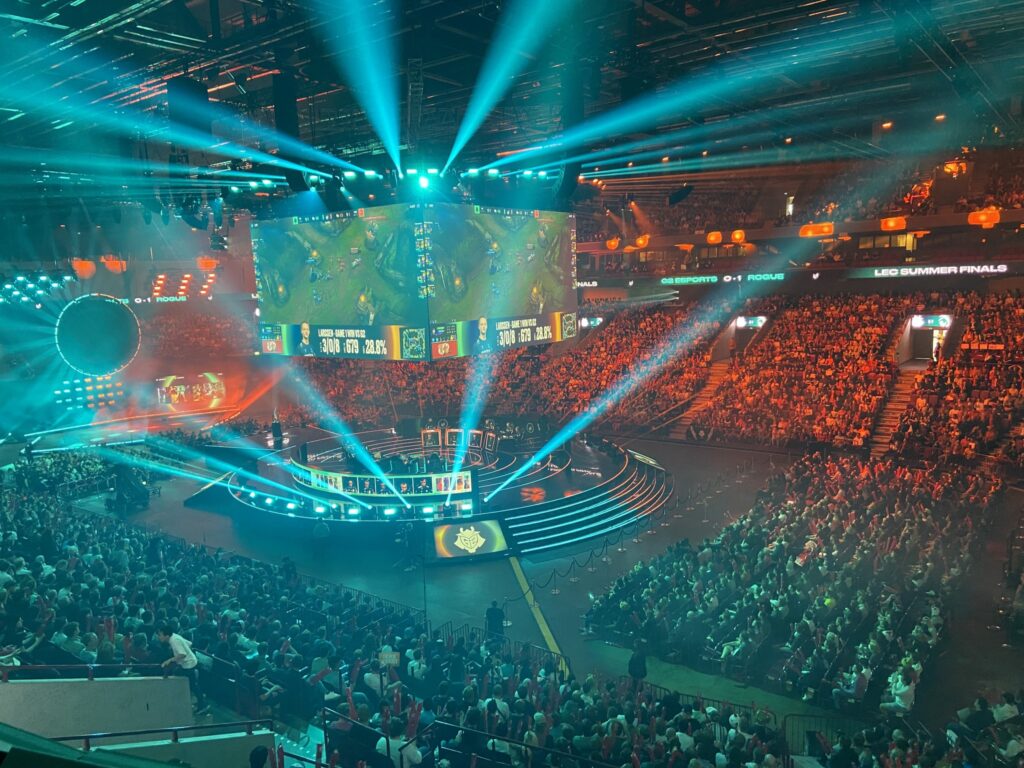
Is Esports Dying? How the Industry Lost Its Grassroots Identity
At some point, Bitcoin became more interesting than running an esports team.
It’s a provocative statement—but it captures something real.
Just as esports was finally entering the mainstream—with support from schools, municipalities, and recognition from national sports institutions—it should have been the beginning of something bigger. Infrastructure was being built. Fiber rolled out to small communities. Educational programs launched.
Everything was in place.
So what happened?
Where did the teams, sponsors, players, and audiences go? What happened to the vision of esports as a new kind of grassroots movement—a digital equivalent of music schools, where everyone had a chance to belong?
When Esports Was Built on Passion
Ten to fifteen years ago, esports was something entirely different.
It wasn’t polished. It wasn’t professional. But it was real.
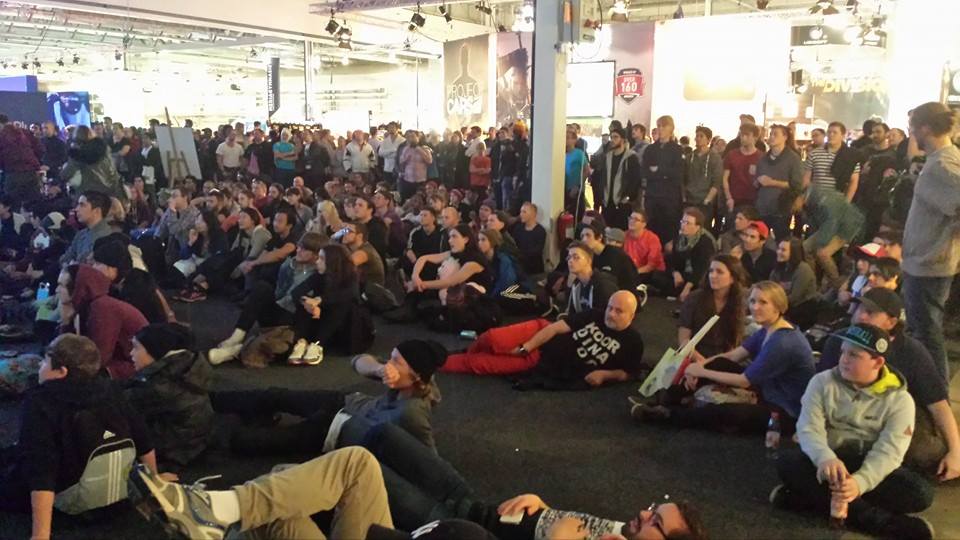
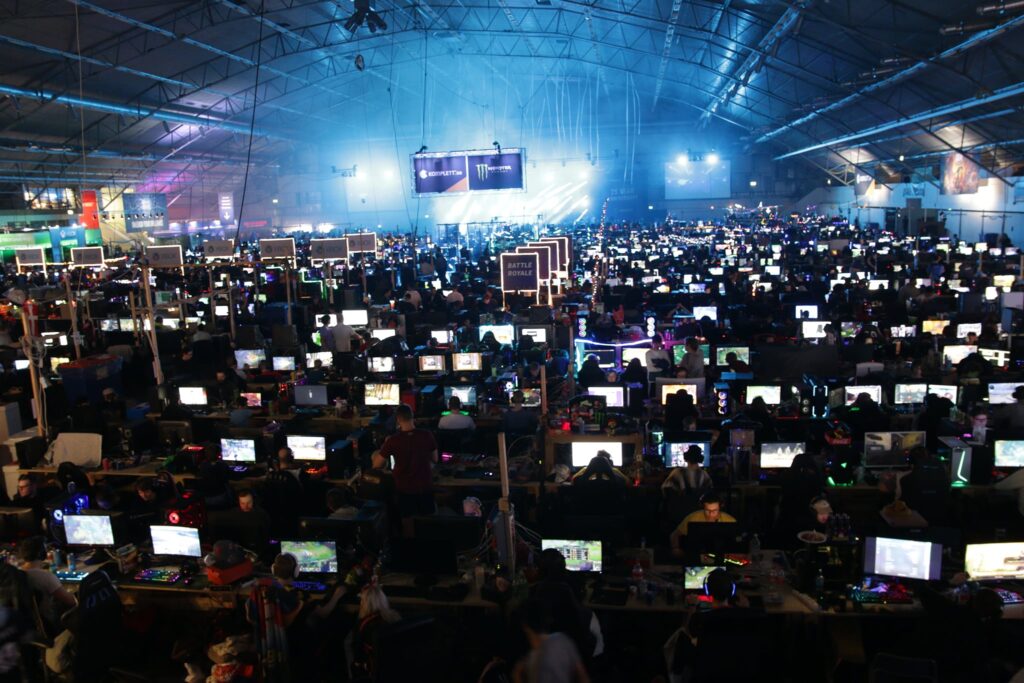
We didn’t wait for platforms—we built them. We found each other on IRC, created teams, joined leagues, traveled to LANs, and competed because we wanted to. There was a sense of purpose: to improve, to win, to belong.
Esports wasn’t just competition. It was identity.
For many of us, it was also the first place we felt we actually fit in. The kids who didn’t thrive on football fields or in traditional sports suddenly had a space where skill mattered more than social status.
I was one of them.
And that’s where the magic lived.
The Shift: From Community to Industry
Growth wasn’t the problem.
The way esports grew—that was the problem.
The focus shifted too quickly from grassroots to professionalization. Suddenly, everything revolved around top-tier leagues, prize pools, and star players—before the foundation underneath had matured.
There was a common belief:
“If esports just becomes part of the official sports system, everything will fall into place.”
It didn’t.
Instead, esports became a collision of:
- passionate volunteers
- commercial stakeholders
- public institutions
- global game publishers
All operating with different incentives—and no shared structure.
Big Promises, Fragile Foundations
There was a time when esports felt unstoppable.
Leagues expanded. Prize pools increased. Sponsorships poured in.
But behind the scenes, cracks were already forming.
Leagues disappeared. Prize money went unpaid. Organizations collapsed. Trust eroded—slowly at first, then all at once.
And still, new players entered the space, promising even more.
We kept believing.

When the Ecosystem Was Centralized
One of the most critical—and often overlooked—shifts was the centralization of the ecosystem.
Before:
- Communities hosted their own servers
- Organizers built grassroots tournaments
- Players gathered in independent spaces
Today:
- Game publishers control the platforms
- Tournaments exist within closed ecosystems
- Communication happens on owned channels
It’s efficient. It scales.
But it comes at a cost.
The community builder is no longer necessary.
And without community builders, there is no movement.
The Disappearing Role of the Club
In traditional sports, clubs serve a clear purpose:
They maintain infrastructure, organize competition, and create continuity.
But what is the role of an esports club today?
The original value—servers, LANs, physical gathering spaces—has largely been replaced by digital alternatives controlled by others.
The result?
Clubs lost their function.
And when something no longer serves a purpose, it fades.
We Built the Infrastructure—But Lost the People
Ironically, esports now has better conditions than ever:
- Technology is more accessible
- Funding opportunities exist
- Facilities are being built
- Equipment is better than ever
But something is missing.
Engagement.
It’s the classic paradox of adulthood:
You can finally afford the dream setup—the best PC, the perfect gaming room…
…but you don’t have the time, or sometimes even the desire, to use it.
The Generation That Didn’t Arrive
There was an assumption that the next generation would naturally take over.
They didn’t.
The 20-year-olds moved on.
The 10-year-olds? They’re less interested than we expected.
We made a fundamental mistake:
We focused on structure, but neglected inspiration.
We built the arena—but forgot to give people a reason to step inside.
Shared Responsibility
It’s easy to point fingers—but the reality is more complex.
- Game publishers centralized control
- Organizations chased short-term gains
- Public institutions reacted too slowly
- Early community leaders lost direction
Greed played a role.
But so did naivety.
We treated esports as a finished product—when it was still in the process of becoming one.
A Scene Searching for Its Purpose
Today, esports finds itself in an unusual position.
It is trying to justify its own existence.
It is trying to stay relevant in a landscape that no longer depends on it in the same way.
The top tier still exists:
- Major titles
- Established leagues
- Global audiences
But the foundation—the grassroots, the culture, the community—is weaker than ever.
Conclusion: A Missed Moment
We had the opportunity.
We had momentum.
We had engagement.
We had a growing movement.
But we missed the timing.
And perhaps more importantly:
We forgot what made esports special in the first place.
What Comes Next?
Now we’re left with a paradox:
More opportunity than ever—
and fewer people willing to pursue it.
Esports isn’t dead.
But it’s no longer alive in the way it once was.
And unless we rediscover what gave it meaning…
…it won’t collapse overnight.
It will simply fade away.
Esports Lost Its Way – From Grassroots Movement to Empty Promise
At some point, Bitcoin became more interesting than running an esports team.
It’s a provocative statement—but it captures something real.
Just as esports was finally entering the mainstream—with support from schools, municipalities, and recognition from national sports institutions—it should have been the beginning of something bigger. Infrastructure was being built. Fiber rolled out to small communities. Educational programs launched.
Everything was in place.
So what happened?
Where did the teams, sponsors, players, and audiences go? What happened to the vision of esports as a new kind of grassroots movement—a digital equivalent of music schools, where everyone had a chance to belong?
When Esports Was Built on Passion
Ten to fifteen years ago, esports was something entirely different.
It wasn’t polished. It wasn’t professional. But it was real.
We didn’t wait for platforms—we built them. We found each other on IRC, created teams, joined leagues, traveled to LANs, and competed because we wanted to. There was a sense of purpose: to improve, to win, to belong.
Esports wasn’t just competition. It was identity.
For many of us, it was also the first place we felt we actually fit in. The kids who didn’t thrive on football fields or in traditional sports suddenly had a space where skill mattered more than social status.
I was one of them.
And that’s where the magic lived.
The Shift: From Community to Industry
Growth wasn’t the problem.
The way esports grew—that was the problem.
The focus shifted too quickly from grassroots to professionalization. Suddenly, everything revolved around top-tier leagues, prize pools, and star players—before the foundation underneath had matured.
There was a common belief:
“If esports just becomes part of the official sports system, everything will fall into place.”
It didn’t.
Instead, esports became a collision of:
- passionate volunteers
- commercial stakeholders
- public institutions
- global game publishers
All operating with different incentives—and no shared structure.
Big Promises, Fragile Foundations
There was a time when esports felt unstoppable.
Leagues expanded. Prize pools increased. Sponsorships poured in.
But behind the scenes, cracks were already forming.
Leagues disappeared. Prize money went unpaid. Organizations collapsed. Trust eroded—slowly at first, then all at once.
And still, new players entered the space, promising even more.
We kept believing.
When the Ecosystem Was Centralized
One of the most critical—and often overlooked—shifts was the centralization of the ecosystem.
Before:
- Communities hosted their own servers
- Organizers built grassroots tournaments
- Players gathered in independent spaces
Today:
- Game publishers control the platforms
- Tournaments exist within closed ecosystems
- Communication happens on owned channels
It’s efficient. It scales.
But it comes at a cost.
The community builder is no longer necessary.
And without community builders, there is no movement.
The Disappearing Role of the Club
In traditional sports, clubs serve a clear purpose:
They maintain infrastructure, organize competition, and create continuity.
But what is the role of an esports club today?
The original value—servers, LANs, physical gathering spaces—has largely been replaced by digital alternatives controlled by others.
The result?
Clubs lost their function.
And when something no longer serves a purpose, it fades.
We Built the Infrastructure—But Lost the People
Ironically, esports now has better conditions than ever:
- Technology is more accessible
- Funding opportunities exist
- Facilities are being built
- Equipment is better than ever
But something is missing.
Engagement.
It’s the classic paradox of adulthood:
You can finally afford the dream setup—the best PC, the perfect gaming room…
…but you don’t have the time, or sometimes even the desire, to use it.
The Generation That Didn’t Arrive
There was an assumption that the next generation would naturally take over.
They didn’t.
The 20-year-olds moved on.
The 10-year-olds? They’re less interested than we expected.
We made a fundamental mistake:
We focused on structure, but neglected inspiration.
We built the arena—but forgot to give people a reason to step inside.
Shared Responsibility
It’s easy to point fingers—but the reality is more complex.
- Game publishers centralized control
- Organizations chased short-term gains
- Public institutions reacted too slowly
- Early community leaders lost direction
Greed played a role.
But so did naivety.
We treated esports as a finished product—when it was still in the process of becoming one.
A Scene Searching for Its Purpose
Today, esports finds itself in an unusual position.
It is trying to justify its own existence.
It is trying to stay relevant in a landscape that no longer depends on it in the same way.
The top tier still exists:
- Major titles
- Established leagues
- Global audiences
But the foundation—the grassroots, the culture, the community—is weaker than ever.
Conclusion: A Missed Moment
We had the opportunity.
We had momentum.
We had engagement.
We had a growing movement.
But we missed the timing.
And perhaps more importantly:
We forgot what made esports special in the first place.
What Comes Next?
Now we’re left with a paradox:
More opportunity than ever—
and fewer people willing to pursue it.
Esports isn’t dead.
But it’s no longer alive in the way it once was.
And unless we rediscover what gave it meaning…
…it won’t collapse overnight.
It will simply fade away.
About Post Author