

The End of an Era? DreamHack Drops BYOC and What It Means for LAN Culture
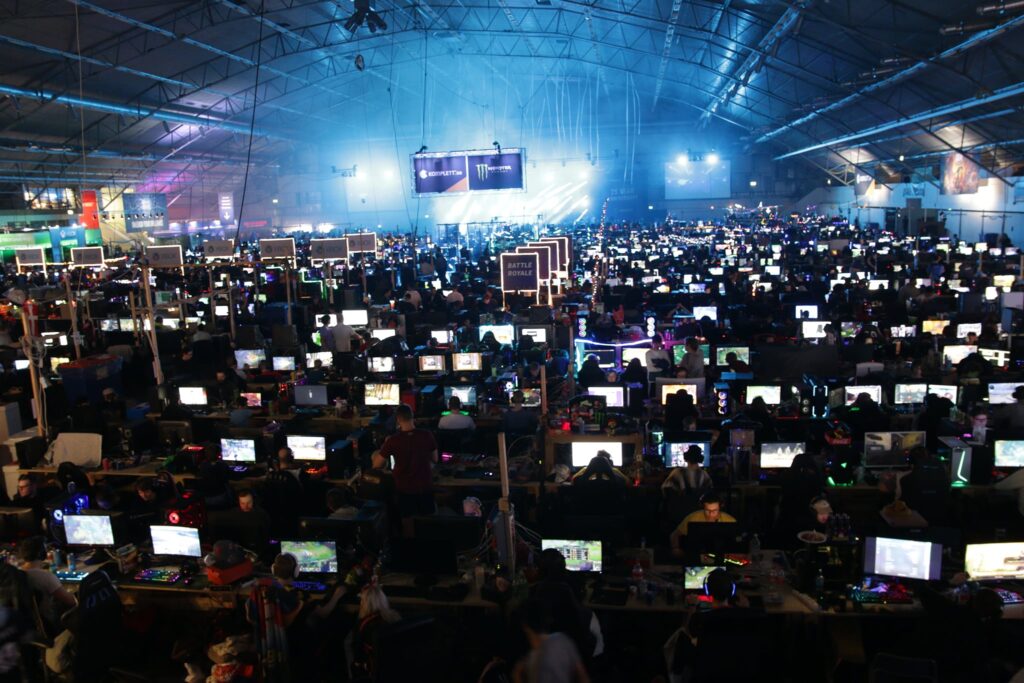
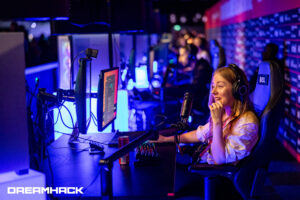
For decades, DreamHack was more than just an event. It was a cultural phenomenon and, for many gamers, the very definition of a LAN party. The name DreamHack and the city of Jönköping became synonymous with gaming, hacking culture, DC++ hubs, esports, and thousands of players gathering under one roof to share a passion for technology and games.
Now, that chapter appears to be coming to an end.
DreamHack has announced that it will no longer feature its traditional BYOC (Bring Your Own Computer) LAN component. For an event that built its global reputation on massive LAN gatherings, this marks one of the most significant changes in its history.
”Removing such a large part of DreamHack’s DNA will have consequences.” – Andreas Westman
Over the years, DreamHack has gradually shifted its focus. After moving away from Jönköping as its primary flagship location, the event has increasingly invested in expo experiences, content creators, influencers, entertainment, and stage programming. While these areas have expanded, the traditional LAN component has steadily shrunk.
From a business perspective, the move is understandable. The gaming industry has changed dramatically since DreamHack’s early days. Online gaming is more accessible than ever, broadband internet is widespread, and modern gamers can connect with friends instantly without leaving their homes.
However, for many longtime attendees, the LAN was never just about playing games. It was about community, friendships, creativity, and being part of something bigger than the games themselves.
Interestingly, while DreamHack moves away from its LAN roots, other events are attempting to preserve that spirit. Events such as the Jönköping-based gaming festival Glitched, founded by former DreamHack owners, continue to place a strong emphasis on community, LAN culture, and esports. Their approach reflects a desire to keep alive many of the values that originally made DreamHack unique.
Yet the challenges facing LAN events today are significant.
Despite growing interest in gaming overall, fewer people participate in traditional LAN parties. Organizing large-scale events has become increasingly expensive, and the days when volunteer enthusiasm alone could sustain major gatherings are largely gone. Rising costs affect every aspect of the industry, from venues and staffing to networking infrastructure and equipment.
At the same time, gamers face increasing financial pressures. High prices for gaming PCs, graphics cards, consoles, and new game releases create barriers for younger audiences. The culture itself has evolved as well. Today’s generation has grown up with high-speed internet, cloud services, social media, and online communities available instantly from their phones. The need to physically gather for multiplayer gaming is no longer what it once was.
This raises an important question: What does the future of LAN culture look like?
If Swedish LAN culture is to grow again, it will require more than passionate local organizers and gaming parents who want to create fun experiences for their children. The community needs new ideas, new formats, and new reasons for people to gather physically. The challenge is no longer simply providing access to games; it is creating experiences that cannot be replicated online.
DreamHack’s decision may not signal the complete end of LAN culture, but it certainly marks the end of an era. The event that once represented the world’s largest LAN party is moving in a different direction, one shaped by modern entertainment trends and changing consumer habits.
Whether this transformation proves successful remains to be seen.
For now, many gamers will look back with nostalgia on the days of endless rows of computers, sleepless nights, spontaneous tournaments, and the unique atmosphere that only a LAN party could provide.
RIP LAN culture? Perhaps not yet.
But the future will require something new if the spirit that built DreamHack is to survive for the next generation.
About Post Author